
Hair thinning during perimenopause or menopause catches many people off guard. One month, your ponytail feels normal, and a few months later, you’re noticing more hair on your pillow and less on your head. If you’ve started asking whether HRT for hair loss is actually effective, you’re asking the right question, and the answer is more nuanced than a simple yes or no.
Hair loss isn’t one condition; it’s several, and the difference between them changes everything about how you treat it. Using HRT for hair loss caused by nutritional deficiency, for example, won’t produce results. Knowing which type you’re dealing with is the first step toward an effective treatment.
Androgenetic alopecia, commonly called pattern hair loss, is driven by sensitivity to DHT, which is a hormone derived from testosterone that gradually miniaturizes hair follicles. In men, this shows up as a receding hairline or crown thinning. In women, it typically presents as diffuse thinning at the part line or top of the scalp, with the hairline staying relatively intact.
This type has a genetic predisposition, meaning if it runs in your family, your risk is higher. Hormonal changes during menopause can accelerate it significantly as estrogen levels drop and DHT’s influence increases.
Telogen effluvium is a temporary, stress-triggered form of hair shedding where more follicles than usual shift into the resting phase at once. Common triggers include crash dieting, illness, surgery, or significant emotional stress. The shedding typically begins two to four months after the triggering event, which makes the connection easy to miss.
The good news is that acute telogen effluvium usually resolves on its own within six to nine months once the underlying cause is addressed. It doesn’t cause permanent follicle damage, though chronic cases can persist if the stressor is ongoing.
Alopecia areata is an autoimmune condition where the body attacks its own hair follicles, causing bald patches that can appear suddenly. Scarring alopecias, including central centrifugal cicatricial alopecia, cause permanent follicle damage and require early intervention to preserve remaining hair. Neither of these responds to HRT.
Estrogen plays a protective role in the hair growth cycle. It prolongs the growth phase, keeps hair in the follicle longer, and helps maintain hair density. When estrogen levels fall during perimenopause and menopause, that protective effect diminishes, and testosterone and DHT have more relative influence on the scalp.
This is why hormonal hair loss in women often accelerates in the years surrounding menopause. The follicles aren’t necessarily dying; they’re shrinking and producing thinner, shorter strands over time. Addressing the hormonal environment can slow that process, but it rarely reverses advanced thinning completely.
HRT in Meridian typically involves estrogen, progesterone, or a combination of both, depending on the individual’s health history and symptoms. Estrogen-based HRT, which is often available as patches, gels, oral tablets, or sprays, is the most directly relevant to hormonal hair loss because it works to restore the hair-friendly hormone environment that menopause disrupts.
Progesterone-based options vary in their effect on hair. Some forms of synthetic progestins can actually worsen hair thinning in those with androgenetic alopecia, while bioidentical progesterone is generally considered more hair-neutral.

For women whose hair loss is directly tied to menopause-related hormonal fluctuations, HRT can help slow further shedding and, in some cases, support partial regrowth. The evidence is strongest for women who start HRT early in the menopausal transition, before follicle miniaturization has progressed significantly.
Realistic expectations matter here. HRT is not a hair regrowth treatment in the way minoxidil is. If it helps, you’ll likely notice less shedding first, often within three to six months, followed by gradual improvements in hair density. Visible thinning that has been present for years is less likely to fully reverse.
HRT is unlikely to help if the hair loss is caused by alopecia areata, scarring conditions, or nutritional deficiency. That’s why getting an accurate diagnosis before starting any treatment plan is so important.
Most types of hair loss respond better to a combination of approaches than to any single treatment. For women pursuing HRT in Meridian, adding one or more of the following can significantly improve outcomes:
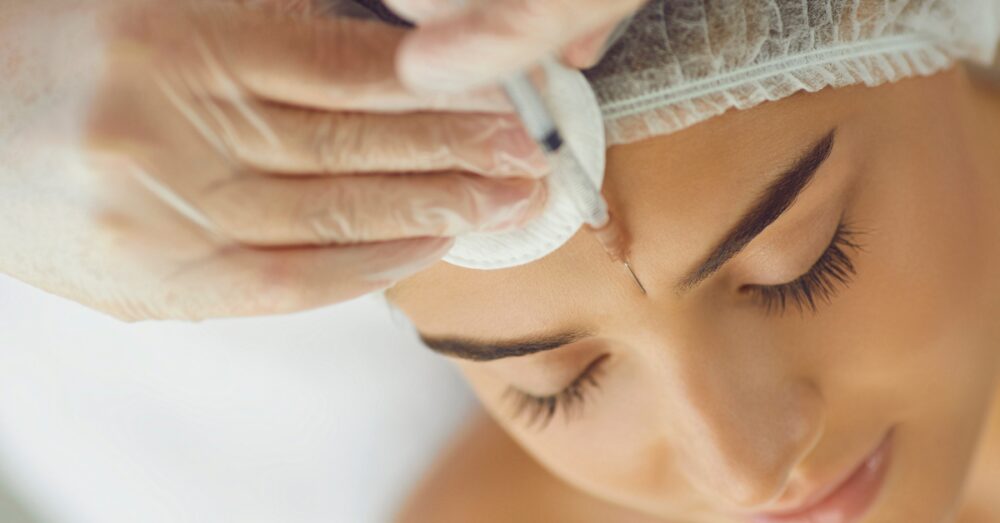
For clients who want to go beyond medications, platelet-rich plasma (PRP) is one of the better-supported procedural options for stimulating follicles. PRP is drawn from your own blood, concentrated, and injected into thinning areas of the scalp to deliver growth factors directly to the follicles.
Combining PRP with microneedling can enhance absorption and stimulate additional collagen production in the scalp. Low-level laser therapy is another adjunct treatment that can support hair health between sessions, particularly for those with diffuse thinning.
Hair responds slowly. Even effective treatments take time to show measurable results, and it’s easy to feel discouraged when progress isn’t visible month to month. Building in a structured way to track changes helps.
Monthly photos taken in the same lighting and position are one of the most practical tools for tracking hair density over time. Follow-up visits every three to six months allow your provider to assess whether the current treatment plan is working or needs adjustment.
Yes, it can be. HRT in Meridian is prescribed primarily to manage menopausal symptoms like hot flashes, vaginal dryness, and night sweats, and it doesn’t automatically stop hair loss, especially if pattern hair loss or another non-hormonal cause is involved. If your hair is still thinning after several months on HRT, it’s worth revisiting with your provider to assess whether an additional hair-specific treatment is needed.
Most people don’t notice changes in hair shedding for at least three to six months after starting hormone replacement therapy HRT, because the hair growth cycle moves slowly. Before seeing regrowth, you’ll likely notice a reduction in shedding first. If you’re documenting with monthly photos, that’s often where the earliest changes show up.
In most cases, yes. PRP and HRT address hair loss through different mechanisms (one stimulates follicles directly, while the other supports the hormonal environment) so they can generally be used together. Your provider will want to know your full health history and current medications before beginning any procedural treatment to make sure the combination is appropriate for you specifically.
It is likely that both are contributing. Genetic predisposition to androgenetic alopecia and the hormonal shift of menopause often interact; the drop in estrogen accelerates a pattern that genetics had already primed. In these cases, treatment plans typically need to address both factors: HRT or anti-androgens for the hormonal component, and minoxidil or PRP for the follicle-level pattern.
It may still help, but earlier intervention tends to produce better hair outcomes. Once follicles have been miniaturized for a long time, reversing visible thinning becomes more difficult. That said, HRT started later in the postmenopausal period can still slow further loss and support scalp health. An honest conversation with a licensed provider about what’s realistic for your situation is the best starting point.
Figuring out why your hair is thinning and what to actually do about it is hard to navigate alone. At Skin N Tox Aesthetics in Meridian, ID, the approach is personalized from the first conversation. No generic protocols, no rushed appointments.
Our providers here take the time to understand your full picture, which includes your hormonal history, your symptoms, and your goals, before recommending a treatment plan. Whether you’re exploring HRT in Meridian, PRP, or a combination approach, you’ll leave your consultation with clarity and a path forward that’s specific to your hair and your life.
The experience itself is warm, refined, and genuinely attentive. Because addressing hair loss is personal, and you deserve care that treats it that way. Call +1 208-869-9779 to book your consultation at Skin N Tox Aesthetics in Meridian, ID.