

If you’ve been searching for a smarter way to lose weight without feeling like you’re fighting your own body, peptide therapy might be the conversation you’ve been waiting to have. This article breaks down what they are, how they work, and what you can realistically expect.
Peptide therapy involves using synthetic peptides to stimulate specific biological processes in the body. Think of peptides as biological messengers, which are short chains of amino acids that tell your cells what to do. When introduced therapeutically, they can influence metabolism, appetite, hormone production, and cellular repair.
Peptides work by binding to specific receptors throughout the body. Once bound, they trigger a cascade of responses, such as ramping up fat burning, slowing digestion, signaling fullness to the brain, or stimulating growth hormone release. These mechanisms address the root causes of weight gain rather than just managing symptoms.
Peptides promote fat loss through three main ways: appetite suppression, increased metabolism and lipolysis, and blood sugar regulation. Together, these make peptide therapy one of the more targeted tools in modern weight management.
Natural peptides are produced by your own body. Synthetic peptides are lab-manufactured to mimic or enhance those natural signals. When prescribed through a licensed provider, synthetic peptides can be pharmacy-compounded for safety and consistency.
It’s also worth noting that GLP-1s come with specific contraindications, including a personal or family history of medullary thyroid cancer or MEN syndrome. A proper intake evaluation is non-negotiable before starting.
Growth hormone releasing peptides (GHRPs) are a specific subclass that trigger pulsatile growth hormone release. Some of the most commonly referenced in clinical settings include:

Peptide injections are the preferred delivery method because they ensure direct absorption into the bloodstream for maximum efficacy. Oral supplements tend to break down in the digestive tract before the peptides can do their job.
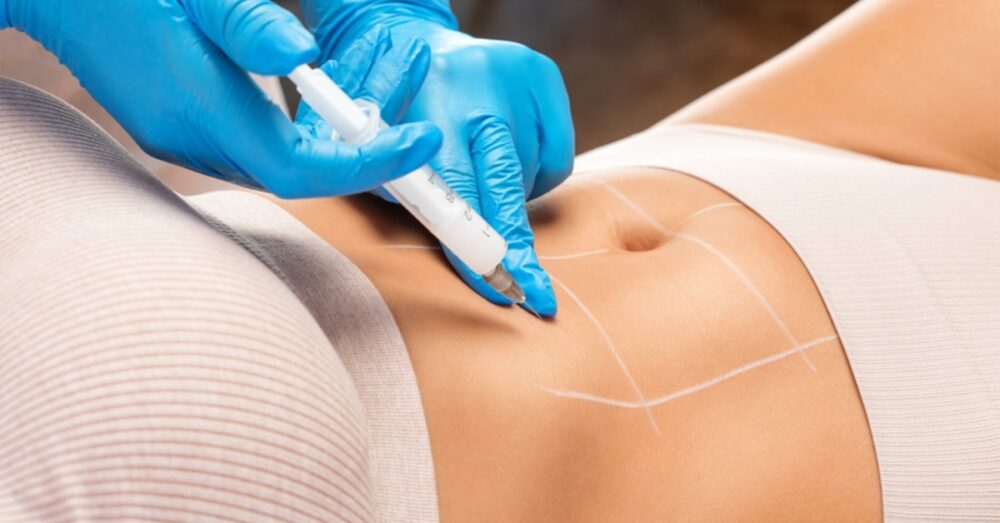
Most protocols involve subcutaneous injections, typically administered weekly or on a multi-day schedule depending on the peptide and goal. Peptides generally require refrigeration and must be reconstituted correctly before use, which is another reason having a trained provider guide the process matters.
While no peptide can spot-reduce fat from one area on demand, certain peptides do show preference for visceral and stubborn subcutaneous fat. Tesamorelin, for example, was specifically studied for visceral fat reduction. AOD-9604 encourages the body to break into fat stores more efficiently.
Realistic expectations are important here. Peptides work best when paired with a balanced diet and consistent exercise. They enhance the process, they don’t replace it.
Peptide therapy is generally very safe when guided by a trained professional. However, as your body adjusts to the treatment, you might experience a few mild side effects.
Common ones can include:
Rest assured, most of these side effects are temporary and typically fade away on their own after a few hours.
Most people begin noticing changes within 4 to 8 weeks, though meaningful results typically build over 3 to 6 months. Clinical trials with GLP-1 peptides show 15% to over 20% body weight reduction over 36 to 68 weeks with consistent use.
No. Peptides are short chains of amino acids; steroids are ring-shaped fatty molecules. Both can influence muscle growth and fat loss, but through very different mechanisms. Peptides stimulate your body’s own hormone production, while steroids introduce synthetic hormones directly. Peptides are generally considered to have fewer and less severe side effects than steroids, which can cause serious and sometimes permanent harm.
Yes. FDA-approved peptides require a prescription. Most clinically used peptides should be prescribed and monitored by a licensed provider. Be cautious of any source offering peptides without a prescription or medical intake process.
Coverage varies widely. Some GLP-1 medications may be covered under certain insurance plans when prescribed for qualifying conditions. It’s worth checking directly with your insurer and asking your provider about any available support programs. Many peptide protocols are offered as cash-pay services.
Peptide therapy is generally safe when supervised by a qualified provider, but it isn’t appropriate for everyone. Contraindications include a family history of medullary thyroid cancer or MEN syndrome for GLP-1s, as well as certain conditions flagged during a medical intake. That’s why a full health history review before starting is non-negotiable.
If you’re in the Meridian, ID area and ready to take a more targeted approach to fat loss and body composition, Skin N Tox Aesthetics is here to help. Our providers take the time to understand your health history, your goals, and your concerns, then build a peptide treatment plan around you. Call us today at +1 208-869-9779 or visit us in Meridian, ID to schedule your consultation.